Rulin the School: A Designer’s Real-World Embroidery Review
First Impressions: Whimsical, Playful, and Ready for Custom Projects
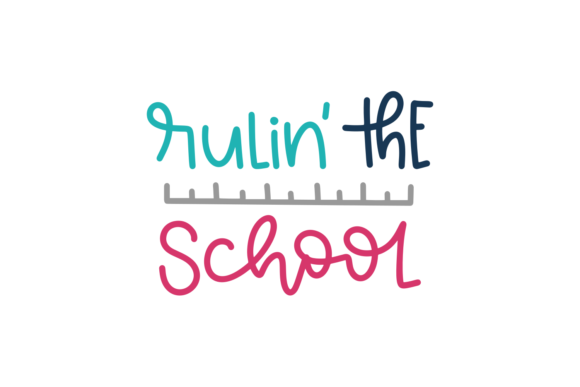
When I first opened the Rulin the School design file, I was struck by its cheerful, school-themed illustration. It’s got that classic cartoon charm with a clean vector layout that feels both modern and nostalgic. The theme immediately suggests it's perfect for baby clothes, kids’ tote bags, or boutique-style sweatshirts. It's not overly complex, which is a big plus for embroidery work where too much detail can lead to stitching issues or fabric distortion.
Visually, Rulin the School leans into a playful aesthetic—bright, approachable, and easy to personalize. The layout is well-balanced, leaving plenty of space for text additions or complementary design elements like borders or monograms. This makes it especially appealing for Etsy sellers or small craft businesses looking to offer customizable school-themed gifts.
Real-World Use: From Sweatshirts to Nursery Decor
I decided to test Rulin the School on a few different materials to see how it would hold up in actual embroidery projects. My first test was on a medium-weight cotton sweatshirt. The design stitched out cleanly with minimal thread breaks. The satin and fill stitches held their shape well, and the overall density felt appropriate for a design of this size.
Next, I tried it on a lightweight baby onesie. This is where things got a bit tricky. The thinner fabric caused some slight puckering around the more detailed sections. I had to add a light tear-away stabilizer underneath and reduce the tension slightly. It worked, but definitely required a bit more attention than I’d like for a fast production run.
For a custom tote bag, the design really shined. The clean lines and bold outlines made it stand out without overwhelming the bag’s surface. I added a name in a simple font underneath the main image, and it read well from a distance—perfect for personalized gifts or small shop merchandise.
Where Rulin the School Excels—and Where You Need to Be Careful
This design performs best on stable, mid-weight fabrics like cotton blends, denim, or felt. It’s great for tote bags, aprons, and sweatshirts, especially when you want a fun, thematic focal point. The layout is versatile enough to work in both light and dark fabric tones, though I recommend testing thread colors if you’re going for a specific mood or contrast.
However, there are a few areas where Rulin the School needs extra care:
- Small hoop sizes: If you're working with a limited hoop, you may need to resize or simplify parts of the design to avoid crowding.
- Stretchy or textured fabrics: These can distort the satin stitches or cause the fill areas to look uneven. A quality stabilizer is a must.
- Dark fabrics: Some of the finer details may get lost unless you use contrasting thread or consider adding a white underlay.
- Curved surfaces like caps: The design is flat and wide, so placing it on curved areas may require adjustments to maintain clarity.
Design Impact: Visual Appeal, Branding, and Customer Response
From a design standpoint, Rulin the School adds a strong visual hook to any product it's embroidered on. It’s not just decorative—it tells a story. That’s a huge advantage if you're selling school-themed gifts, personalized baby items, or boutique apparel. It gives your product a sense of purpose and personality.
In terms of customer perception, I think this design could really boost buyer engagement. It’s recognizable, friendly, and has a level of detail that feels premium without being overwhelming. For Etsy sellers or small craft business owners, that kind of design can help justify a slightly higher price point, especially when paired with quality materials and thoughtful presentation.
It also plays well in digital product previews. When I used it in a printable mockup for a custom tote bag listing, it stood out immediately and helped create a cohesive product image. This is especially important for digital embroidery file sellers or designers offering design assets for resale.
Practical Notes for Embroidery Designers and Craft Entrepreneurs
If you're planning to use Rulin the School in your own projects—whether for personal crafting or commercial resale—here are a few key points to keep in mind:
- Test on scrap fabric first: Especially if you're working with a new material or machine setup.
- Check thread color contrast: Try a few combinations to see which brings out the design best on light or dark backgrounds.
- Review stitch density: Adjust if necessary for fabric type or hoop size.
- Confirm hoop size compatibility: Don’t assume it will fit—measure before stitching.
- Inspect small details: Make sure fine lines or text elements stitch clearly without breaking threads.
- Test in black and white mockups: Helps you see the overall shape and contrast without color distractions.
- Use proper stabilizer: Depending on fabric, choose between tear-away, cut-away, or wash-away types.
- Confirm licensing: Always check if the design is allowed for resale or commercial embroidery projects before listing finished items.
Final Thoughts: A Versatile Design with Real-World Potential
Rulin the School isn’t just another embroidery file—it’s a design that can elevate your product line if used thoughtfully. Whether you're creating custom apparel, personalized baby gifts, or themed holiday items, this design offers a strong visual foundation that’s both flexible and marketable.
As a designer, I appreciate how it balances detail with practicality. It’s not so intricate that it becomes a production headache, but it’s still expressive enough to catch a buyer’s eye. Just keep your materials and machine settings in check, and this design can become a go-to asset in your embroidery toolkit.