Teacher Fuel SVG Filek: An Embroidery Designer’s Review
As a professional embroidery digitizer and product reviewer, I approach every new digital asset with a specific question: will this actually stitch out well on real fabric? When evaluating the Teacher Fuel SVG Filek, my assessment goes far beyond how cute the graphic looks on a computer screen. For those of us running a craft business or managing an Etsy shop, a design must translate seamlessly from a digital vector to a tangible, high-quality finished product. This review breaks down the practical realities of using this file for apparel, accessories, and commercial merchandise.
First Impressions and Visual Personality
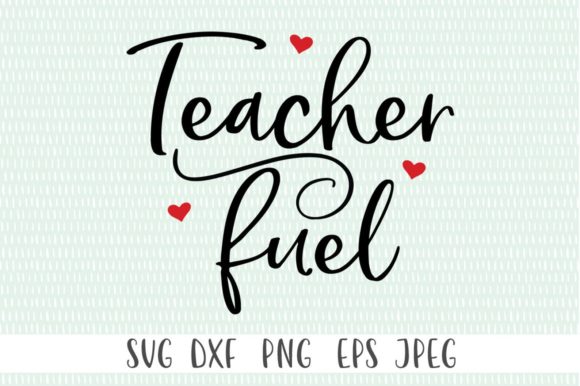
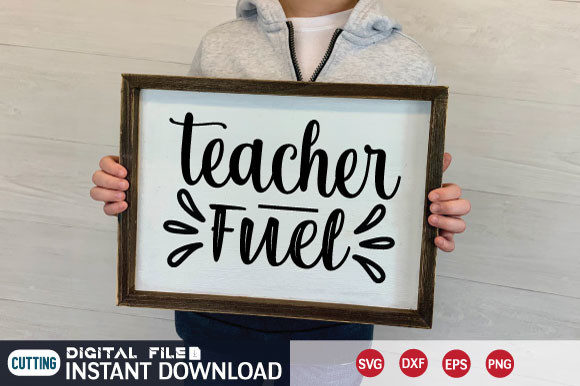
Upon opening the zipped folder containing the Teacher Fuel SVG Filek, the immediate impression is one of playful functionality. The aesthetic strikes a balance between whimsical and legible, which is crucial for school-themed merchandise. In the realm of Graphics intended for Crafts, clarity is king. The lines appear clean enough to serve as a reliable guide for digitizing into a machine embroidery design. The mood is energetic yet organized, suggesting it would pair beautifully with structured items like canvas tote bags or crisp cotton aprons rather than slouchy, unstructured garments.
For a personalized gift or boutique inventory, the visual weight of this design feels substantial without being overwhelming. It communicates its message instantly, which is vital when selling at craft fairs where customers make split-second decisions based on visual appeal. However, because this listing provides SVG and DXF formats primarily for cutting software like Cricut Design Space and Silhouette Studio, embroiderers must treat these files as templates. You are not receiving a pre-digitized embroidery file; you are receiving a high-quality vector that requires professional digitizing or careful auto-tracing to become stitch-ready.
Real-World Application: The Teacher Tote Bag Test
To truly evaluate this asset, I mentally placed the Teacher Fuel SVG Filek onto a heavy-duty canvas tote bag design project. Teachers carry heavy loads, so durability and washability are non-negotiable. If I were producing this for a client, I would use the SVG as a precise outline for an applique design. Using cut fabric shapes reduces stitch density significantly compared to a full fill stitch, keeping the bag lightweight and preventing the canvas from puckering.
In this scenario, the bold lettering inherent in "Teacher Fuel" concepts lends itself perfectly to a combination of satin stitch borders and running stitch details. I envision using a contrasting thread color for the text against a neutral fabric background to maximize readability. For a sweatshirt embroidery project, specifically on fleece or French terry, the design’s layout allows for proper hooping without distorting the garment's drape. The key here is recognizing that while the SVG is versatile, your execution determines whether it looks like professional custom apparel or a homemade attempt. The clean vectors in this file support both outcomes, provided the digitizer respects the fabric's limitations.
Navigating Fabric Constraints and Hoop Sizes
Not every surface is friendly to detailed graphics. When adapting the Teacher Fuel SVG Filek for different substrates, caution is required. On textured fabrics like terry cloth or minky for baby embroidery, fine details can get lost in the pile. In these cases, I recommend simplifying the vector before digitizing, perhaps removing internal decorative elements and relying on bold outlines and solid fills. Similarly, stretchy knits require significant stabilization; if the design is too dense, it will create a bulletproof patch effect that ruins the garment's comfort.
Hoop size compatibility is another critical factor. While the SVG can be scaled infinitely without pixelation, embroidery machines have physical limits. If you plan to resize this design for a 4x4 hoop versus a 5x7 hoop, you must re-evaluate the stitch types. A detail that works as a satin stitch at six inches wide may need to become a fill stitch or running stitch at two inches to maintain structural integrity. Always verify your machine’s maximum field size before committing to a production run. For curved surfaces like caps, the flat nature of the SVG means you must manually distort or arc the text during the digitizing process to compensate for the hat’s curvature; simply centering the flat file will result in crooked stitching.
Commercial Viability and Brand Consistency
For the Etsy seller or small shop product creator, consistency builds trust. Using the Teacher Fuel SVG Filek across multiple product lines creates a cohesive brand identity. Whether applied to a mug wrap via vinyl or a denim jacket via embroidery, the core visual remains recognizable. This recognition drives sales. However, professionalism hinges on technical execution. A commercial embroidery piece must withstand repeated washing without fraying or distorting.
When creating printable mockups or digital previews for your listings, this SVG serves as an excellent base for showing customers what the final item will look like. Just ensure your mockup accurately represents the texture of embroidery versus vinyl, as customers often confuse the two. Transparency about the production method prevents returns and negative reviews. Furthermore, always confirm the licensing terms included in your download. While the file formats suggest crafting utility, you must verify if the license permits selling finished handmade products or if it restricts usage to personal projects only. Protecting your business starts with respecting intellectual property.
Essential Technical Notes for Makers
Before loading the Teacher Fuel SVG Filek into your workflow, adhere to these professional best practices:
- Test Stitch First: Never run a new design directly on a sellable item. Use scrap fabric of the same weight and weave to check tension and registration.
- Verify Stabilizer Choice: Match your backing to the fabric. Cutaway for knits, tear-away for wovens, and water-soluble toppers for high-pile fabrics like towels.
- Check Thread Contrast: View your digitized version in black and white. If the design relies solely on color differences rather than value contrast, it will fail on similar-toned fabrics.
- Inspect Small Details: Text smaller than 0.2 inches often fails in embroidery. Simplify tiny serifs or decorative dots in the SVG before digitizing to prevent needle breaks and thread nests.
- Mockup Realistically: Use the SVG to create accurate placement guides, but remember that thread has sheen and dimension that flat vectors cannot capture.
- Confirm Formats: Remember that SVG and DXF are vector formats. Ensure you have appropriate digitizing software to convert them into PES, DST, JEF, or other machine-specific digital embroidery file types.
Final Thoughts on Design Utility
The Teacher Fuel SVG Filek offers a strong foundation for creative entrepreneurs willing to put in the technical work. Its clean geometry and thematic relevance make it a valuable asset for back-to-school seasons, teacher appreciation gifts, and educational branding. By treating this graphic as a blueprint rather than a finished solution, makers can produce stunning, durable, and profitable goods. Success lies not just in owning the file, but in understanding how to translate its digital promise into stitched reality. Always prioritize fabric physics over digital perfection, and your embroidery project will reflect the quality your customers expect.