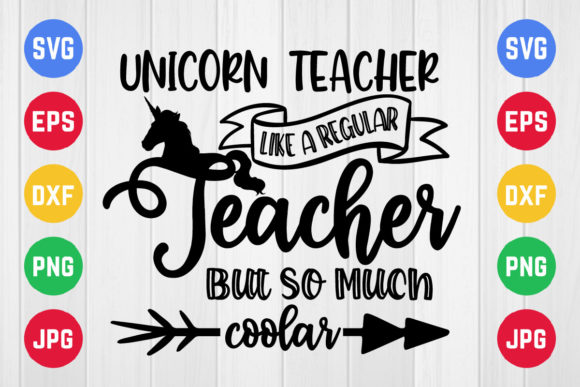
Unicorn Teacher Like SVG: An Embroidery Review
As a professional digitizer and product reviewer, I approach every new graphic asset with a specific question: will this actually stitch out well, or is it just a pretty screen image? When evaluating the Unicorn Teacher Like Svg Desig, my focus shifts immediately from its intended use as a cutting file for Cricut or Silhouette machines to its potential as a foundation for a machine embroidery design. While the product description highlights hand-drawn lettering and calligraphy for vinyl applications, experienced makers know that translating these fluid lines into thread requires a critical eye. This review assesses the design’s viability for real-world embroidery projects, specifically for those creating merchandise for educators and school staff.
First Impressions: Whimsy Meets Professionalism
The visual personality of Unicorn Teacher Like Svg Desig strikes a balance between playful fantasy and adult professionalism. It avoids the overly juvenile aesthetic often associated with unicorn graphics, making it suitable for a teacher’s lounge sweatshirt rather than just a nursery wall. The hand-drawn lettering suggests an organic, human touch that resonates well in the Crafts category. For an Etsy seller or small shop product creator, this mood is valuable. It signals to the buyer that the item was curated with care. However, "hand-drawn" in Graphics often means variable line weights and open paths, which are red flags for automated digitizing software. Before loading this into your embroidery machine, you must recognize that the charm lies in the imperfection, but the success lies in how you stabilize those imperfections during stitching.
Real-World Application: The Educator’s Tote Bag Test
To truly evaluate this asset, I mentally placed it onto a canvas tote bag intended for a veteran kindergarten teacher. Teachers carry heavy loads—books, laptops, water bottles, and endless paperwork. A tote bag design needs to be durable and legible from a distance. In this scenario, Unicorn Teacher Like Svg Desig serves as an excellent centerpiece because the phrase connects emotionally with the end-user. However, because the original file is an SVG/EPS vector meant for cutting, converting it to a digital embroidery file requires strategic decisions.
If I were producing this custom apparel or accessory, I would avoid converting the entire calligraphy phrase into a dense satin stitch. On a textured canvas tote, thin satin columns can get lost or cause puckering. Instead, I would treat the unicorn element as an applique design using a glitter felt or cotton print to reduce stitch density and add tactile interest. The text should be digitized as a bold running stitch or a medium-weight fill to ensure readability against the fabric texture. This adaptation transforms a simple vector graphic into a high-value handmade product that feels substantial and worth the price point.
Navigating Fabric Challenges and Hoop Limitations
Not all garments are created equal, and neither are embroidery surfaces. While Unicorn Teacher Like Svg Desig looks effortless on a white background mockup, real-life application demands caution. If you are planning sweatshirt embroidery on fleece or French terry, the pile of the fabric can swallow fine details. The intricate swirls of the calligraphy might need to be thickened by 10-15% during the digitizing process to prevent them from sinking into the nap. Always use a heavy-duty stabilizer and a topping like water-soluble film to keep the stitches crisp.
Conversely, if you are working on lightweight summer tees or baby items, density becomes the enemy. A dense recreation of this design could create a bulletproof patch of thread that drags the garment down. For baby embroidery or delicate knits, consider isolating just the unicorn icon or a single keyword from the phrase. Respect your hoop size; cramming a wide calligraphy layout into a 4x4 hoop will distort the aspect ratio and ruin the hand-drawn feel. If the design exceeds your hoop dimensions, split it logically or resize it proportionally, checking constantly for legibility.
Where to Exercise Caution
- Stretchy Fabrics: The flowing nature of this design makes it susceptible to distortion on spandex or ribbed knits. Use cut-away stabilizer and minimal stretch when hooping.
- Dark Fabrics: Since the source art is isolated on white, visualize the contrast before stitching. White thread on navy is classic, but pastel threads on black may lack definition. Test thread colors first.
- Curved Surfaces: Placing horizontal calligraphy on a cap or curved sleeve is risky. The text may appear crooked once unhooped. Consider arching the text slightly in your digitizing software to compensate for the curve.
- Tiny Lettering: If scaling down for a pocket logo or embroidered patch, verify that no text elements fall below 5mm height. Serifs and thin connectors in calligraphy are usually the first casualties of downsizing.
Commercial Viability and Brand Consistency
For the creative entrepreneur, consistency builds trust. Using Unicorn Teacher Like Svg Desig across multiple products creates a cohesive collection. Imagine offering a matching set: a mug with the vinyl version and a personalized gift towel with the embroidered version. This cross-medium versatility is a massive selling point. However, you must verify licensing. The product description mentions files for cutting, but does not explicitly grant commercial rights for machine embroidery reproduction. Before listing any finished product or selling the embroidery file itself, confirm the terms. Protecting your business means respecting intellectual property.
Furthermore, consider the perceived value. A poorly digitized version of this design will look amateurish, regardless of how beautiful the original vector is. Jagged edges, gaps in registration, and excessive jump stitches devalue your brand. Investing time in proper digitizing—or hiring a professional digitizer to convert this SVG into a premium machine embroidery design—pays off in customer reviews and repeat business. High-quality design assets are the backbone of a sustainable craft business.
Essential Pre-Stitch Checklist for Makers
Before you commit this design to a final garment or list it in your shop, run through this practical validation process. These steps separate hobbyists from professionals.
- Create Printable Mockups: Place the design on realistic templates of your intended products. Does the scale look right? Is the placement flattering?
- Test Stitch on Scrap: Never stitch directly on a client’s garment first. Use similar fabric weight and weave. Check for puckering, registration errors, and thread breaks.
- Audit Stitch Density: Ensure the design isn’t too dense for the fabric. Run your finger over the test stitch-out; it should feel flexible, not stiff.
- Verify Contrast: Photograph the test stitch in natural light. Screen brightness lies; camera sensors tell the truth about visibility.
- Check Licensing: Re-read the product description and license agreement specifically regarding embroidery and commercial sale of physical goods.
- Wash Test: If this is for holiday embroidery or daily wear, wash and dry the sample. Calligraphy can fray if not properly underlaid.
Unicorn Teacher Like Svg Desig offers a wonderful starting point for creators looking to celebrate educators with style and heart. By treating it as a blueprint rather than a finished embroidery file, and by applying professional judgment regarding fabrics, stabilization, and digitizing techniques, you can transform this digital artwork into tangible, cherished keepsakes. Whether you are making a single gift for a favorite teacher or building a seasonal inventory for your Etsy shop, success lies in the details. Respect the medium, test thoroughly, and let the craftsmanship shine as brightly as the design itself.